
Photo date estimator
Choose the physical format that most closely matches your photograph. The estimated range can help narrow your research before comparing clothing, studio marks and family ages.
A paper photograph mounted on card, commonly about 4¼ × 6½ inches, often with a studio name.
Typical production period
1866–1914
This is the broad period in which the selected format was commonly produced. Regional use often continued after a newer process appeared.
Do not date a person from format alone. Confirm with clothing, photographer addresses, inscriptions, paper markings and known family events.
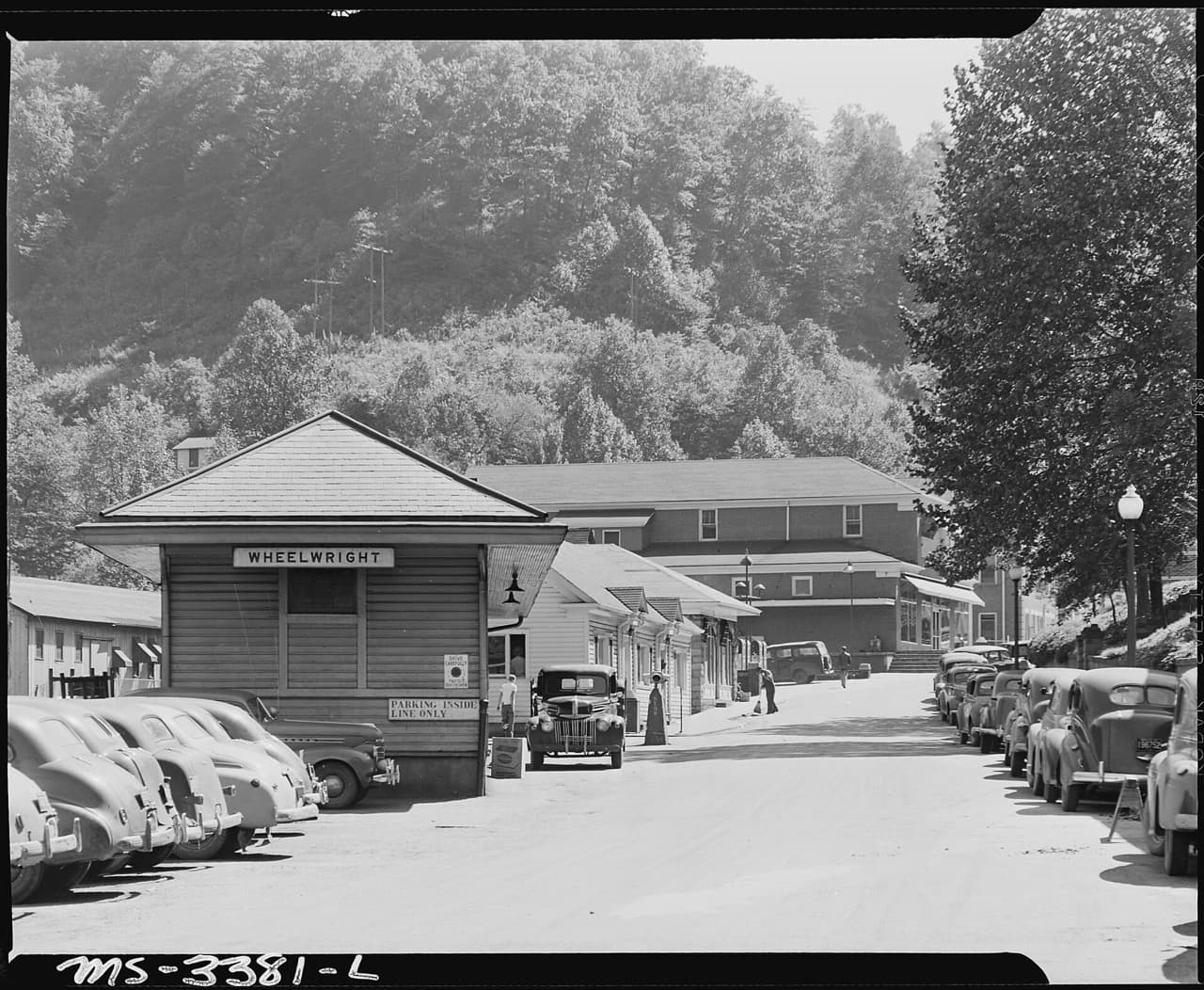
Historical source photograph
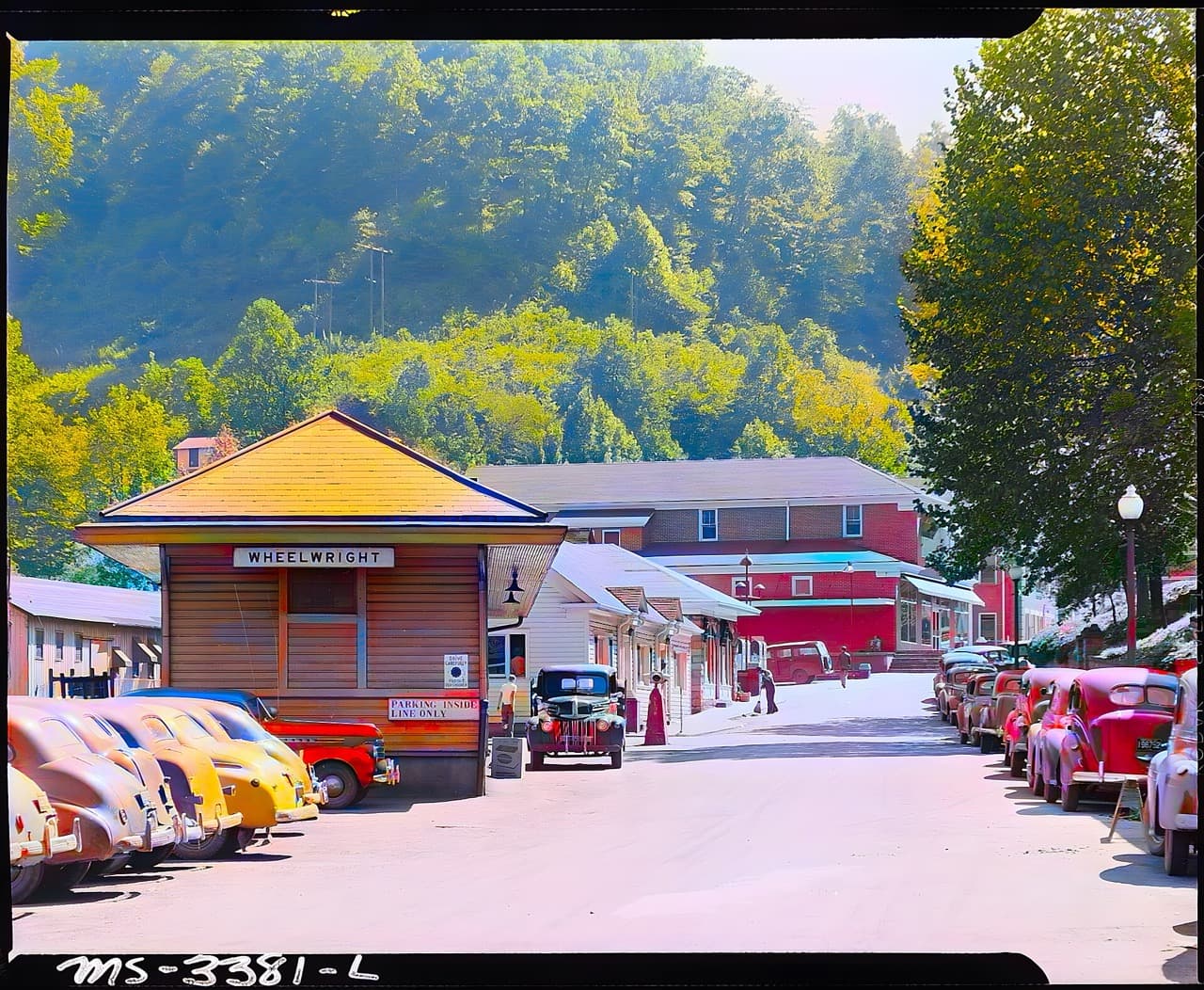
Readable restored research copy
How to narrow the date
Inspect both sides under soft light. Photographer imprints, postcard stamp boxes, paper brands and handwritten notes can be more precise than the image style itself.
Handle historical photographs safely
- Hold photographs by their edges with clean, dry hands.
- Never remove a plate photograph from its case to identify it.
- Scan fronts, backs, mounts and envelopes before separating related items.
Make a readable research copy
Create a digital copy, repair distracting damage and keep the untouched scan beside every restored version.